
PayID at online pokies sites accepting Australian players — what the speed claim actually buys
Current as of 29 October 2026, against the ACMA register of formal warnings and blocking requests, plus the public PayID and Osko settlement guidance from Australian Payments Plus.

An Australian punter typing “payid pokies” into a search bar is not really hunting for a payment method. The payment method is already in their banking app. What the search is hunting for is an offshore operator willing to take it. PayID settles in under a minute at more than a hundred Australian institutions, and that speed is what every “instant PayID pokies” pitch is selling. The thing those pitches rarely mention is that the Interactive Gambling Act 2001 makes it an offence to provide online casino games, including online pokies, to a person physically in Australia — so the speed being marketed is the speed of moving money into an account the regulator has been ordering blocked since 2019. This page separates the two. It walks through how PayID actually settles, what offshore operators have been telling Australians about it, what the ACMA has done to those operators, and where a reader who wants help with problem gambling can turn.
Table of Contents
- PayID settlement at Australian banks — how the speed claim is built
- The legal frame — what is and is not licensable in Australia
- The landscape offshore pokies sites pitch against — the ACMA record
- RocketPlay — ACMA warned Pulsup Ltd in March 2026
- Level Up Casino — Dama N.V., warned May 2022
- Woo Casino — Dama N.V., warned March 2025
- Spirit Casino — Dama N.V., warned May 2025
- National Casino — Consolutetish S.R.L., warned July 2025
- Bizzo Casino — warned twice, 2022 and 2025
- Ignition Casino — Bamboo Media, warned July 2025
- Instant Casino — EOD Code SRL, warned February 2025
- Jackbit — Ryker B.V., warned April 2026
- Casino Intense — Sterplay Holding Ltd, warned April 2025
- Sky Crown — Hollycorn N.V., warned September 2022
- The blocking rate — how fast the ACMA has been clearing the field
- What the ACMA record does and does not tell a reader
- What the IGA does to a PayID transfer into an offshore site
- Where an Australian punter in trouble can turn
- Tax, winnings and what to ask the ATO
- What the table above is for, and what it is not
- Frequently asked questions
PayID settlement at Australian banks — how the speed claim is built
PayID is an easy-to-remember identifier — a mobile number, an email address, an ABN or an Organisation Identifier — linked to a bank account, operated by Australian Payments Plus (AP+), the country’s domestic payments provider. It is built into the online banking of more than one hundred Australian financial institutions, and as of April 2025 there were more than twenty-five million registered PayIDs in Australia. The transfer itself runs on the New Payments Platform (NPP), which the Reserve Bank of Australia regulates and oversees, and which launched in February 2018 specifically to let households, businesses and government agencies move money in close to real time, around the clock. AP+ describes the result plainly: with Osko, a transfer between participating Australian banks arrives in under a minute, twenty-four hours a day, seven days a week, whether it is addressed to a BSB and account number or to a PayID.

That is what “instant PayID” actually means when an Australian bank’s own marketing department says it. The same AP+ page that sets out that sub-minute window also tells readers something the offshore pitches leave out. When you pay to a PayID, the name on the receiving account is shown to you before the transfer is sent — that confirmation is the check that protects against scams and mistaken payments. AP+ also warns, in plain language, that being asked to transfer funds to a PayID on an illegal gambling site is almost certainly what the company calls a “scambling” site, slang it uses for illegal online gambling platforms advertised on social media and messaging apps that trick people into gambling on a scam website. PayID itself, the body says, will never contact a customer directly and never asks anyone to send money in order to receive money or to “upgrade” an account. Emails or text messages claiming to be from PayID are a scam.
Three things follow from those sentences, and they are worth holding in mind before any offshore pitch is read at face value. First, the speed that makes PayID useful for legitimate transfers is the same speed that makes it useful for scams — the recipient name check is the only thing standing between a sub-minute mistake and a balance that may be unrecoverable. Second, AP+ — the body that runs PayID — has publicly stated that an offshore gambling PayID is a fraud signal, which means the offshore pitch and the domestic payments authority’s own guidance are pointed in opposite directions. Third, the “instant” claim is not the operator’s gift to the punter; it is a feature of the Australian retail banking system, available whether or not the offshore site exists.
The legal frame — what is and is not licensable in Australia
The Interactive Gambling Act 2001, strengthened by the Interactive Gambling Amendment Act 2017, makes it an offence to provide online casino games, online pokies or in-play betting services to a person in Australia. No state or territory licenses them. What is licensable, in practice, is wagering on racing and sport placed before the event, lotteries and keno. The Northern Territory Racing and Wagering Commission regulates around fifty-two of Australia’s online bookmakers — Sportsbet, Bet365 and Ladbrokes among them — for tax reasons, and runs without full-time staff, meeting once a month in Darwin. The minimum age for any legal Australian gambling product is eighteen.
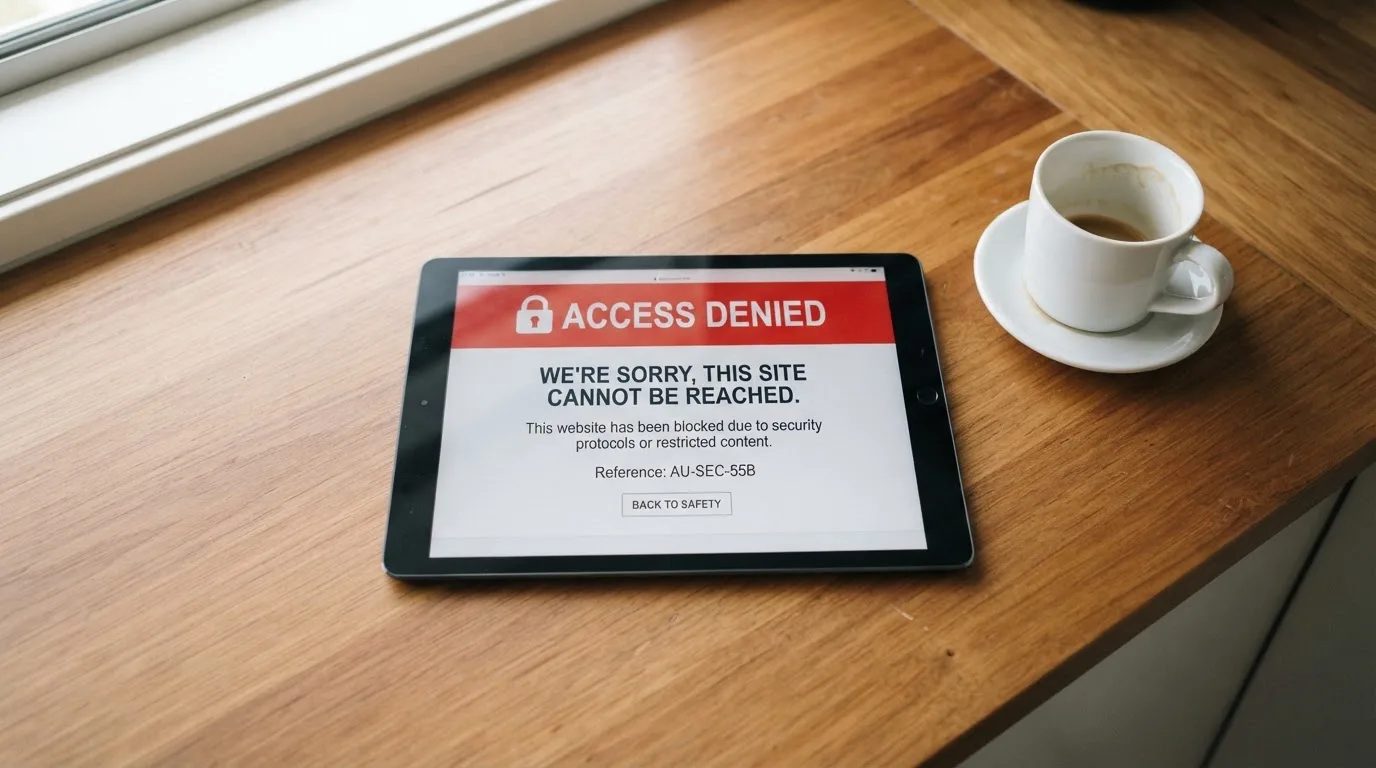
The IGA targets the provider, not the individual player. Australians are not prosecuted for using an offshore site. What an offshore site does not give the punter, though, is everything the regulatory frame is built to provide: no Australian consumer protection, no local complaints body, no recourse if a withdrawal stalls or is refused, and no certainty that the site will still be reachable when the punter logs back in. The Australian Communications and Media Authority can direct local internet service providers to block an illegal service, and it can do so with a balance still sitting on it. That is the speed the marketing copy does not quote.
Payment rules tighten the frame further. Since 11 June 2024, Australian-licensed online wagering services cannot accept credit cards, credit-related products or digital currency as payment, with penalties up to A$247,500 for operators who breach the rule. Legal deposit routes for licensed wagering are debit card, bank transfer, PayID via Osko and BPAY. An offshore site asking an Australian punter for a credit card or a crypto deposit is operating outside the Australian rules, regardless of what licence badge it displays in its footer — and no offshore casino licence (Curaçao, Anjouan, Kahnawake) authorises it to take bets from inside Australia.
The landscape offshore pokies sites pitch against — the ACMA record
Eleven brands appear in this write-up, and they appear because the ACMA itself issued a formal warning over each one for offering prohibited interactive gambling services to Australians. They are not a ranking and they are not recommendations. They are the public record of who the regulator has named, and the table below sets them side by side so a reader can see what the regulator’s record actually looks like, and what each brand’s own marketing chooses to leave off it.
| Brand | ACMA action and date | Operator named by the ACMA | PayID subject coverage in the public record |
|---|---|---|---|
| RocketPlay | Formal warning, March 2026 (Pulsup Ltd); earlier Dama N.V., May 2022 | Pulsup Ltd | — |
| Level Up Casino | Formal warning, May 2022 | Dama N.V. | Listed by Westpac among merchants in the gambling category |
| Woo Casino | Formal warning, March 2025 | Dama N.V. | — |
| Spirit Casino | Formal warning, May 2025 | Dama N.V. | — |
| National Casino | Formal warning, July 2025 | Consolutetish S.R.L. | Listed in AUSTRAC and Wikipedia material on offshore gambling operators |
| Bizzo Casino | Formal warning, July 2025 (Consolutetish S.R.L.); earlier 2022 (TechSolutions) | Consolutetish S.R.L. | — |
| Ignition Casino | Formal warning, July 2025 | Bamboo Media | — |
| Instant Casino | Formal warning, February 2025 | EOD Code SRL | Listed by ecoPayz and by the PayID scam-alert page as an example of an illegal site |
| Jackbit | Formal warning, April 2026 | Ryker B.V. | — |
| Casino Intense | Formal warning, April 2025 | Sterplay Holding Ltd | Listed in AUSTRAC, ITnews and NAB material on gambling-related transactions |
| Sky Crown | Formal warning, September 2022 | Hollycorn N.V. | — |
Where the table says “—” for PayID subject coverage, that is not a denial. It is the absence of a record in the consulted listings — Westpac, AUSTRAC, NAB, ecoPayz, the PayID scam-alert page and the relevant Wikipedia material — for that specific brand on that specific subject. The brand may accept PayID, may not, may have changed its mind between the consultation and now. The consulted listings simply did not name it either way, and an editorially honest table does not invent a yes where the listings are silent. PayID support being absent from the public record is itself information: it is the gap that an “instant PayID” pitch is most likely to be filling in.
RocketPlay — ACMA warned Pulsup Ltd in March 2026
The most recent ACMA action against RocketPlay was a formal warning under the Interactive Gambling Act 2001 issued to Pulsup Ltd in March 2026, naming RocketPlay specifically. An earlier Dama N.V. warning in May 2022 covered RocketPlay among six Dama brands — Bambet, Dazard, Level Up, Wild Tornado and Cobra Casinos alongside it. The consulted public listings did not turn up any statement of RocketPlay’s PayID support one way or the other, so the column is honest about the gap rather than guessing.
RocketPlay sits inside the cluster of operators the ACMA has acted against more than once under related corporate names. That alone is what the regulator’s record communicates. The brand’s own marketing may pitch “instant PayID deposits” or its equivalent; the regulatory record does not corroborate the pitch, and the IGA’s product prohibition applies whether a brand is on its first warning or its second. For an Australian punter, the relevant fact is that the IGA prohibits the product being sold here, not whether this particular operator’s PayID integration is fast or slow.
Level Up Casino — Dama N.V., warned May 2022
Level Up Casino was one of the six Dama N.V. brands the ACMA named in its May 2022 formal warning. The public record consulted — Westpac’s merchant category guidance in particular — places Dama brands in the category of gambling operators whose transactions Australian banks treat as gambling at card level. That is what the listings-only column in the table reports, and it is what the brand’s own footer, if it claims a Curaçao or Anjouan licence, does not change: an offshore licence does not authorise Level Up to take bets from inside Australia.
Dama N.V. has been the named operator across several ACMA actions over the years — Woo Casino in March 2025, Spirit Casino in May 2025 and the May 2022 cluster including Level Up. The pattern is the regulator’s, not the brand’s: the ACMA names the corporate entity, and the brand list tracks which operator group has been warned in which month. For a reader comparing this brand to its siblings, the relevant question is whether the warning changed anything about how the brand operates for Australians, and the ACMA’s blocking record suggests not.
Woo Casino — Dama N.V., warned March 2025
Woo Casino was the subject of a separate Dama N.V. formal warning in March 2025, distinct from the May 2022 cluster that covered Level Up, RocketPlay and the other four Dama brands. No public listing consulted recorded Woo Casino’s PayID status one way or another, so the table column for it stays at “—” rather than asserting what the listings did not assert.
The relevant fact here is the recency of the warning. A brand warned under the IGA in 2025 is not, on the ACMA’s own record, operating in a way the regulator has accepted. Woo Casino may continue to advertise PayID to Australian searchers; the regulator’s view of its Australian-facing offering has not changed. A punter reading a Woo Casino landing page in 2026 is being marketed to in the same regulatory frame as someone reading the page in early 2025.
Spirit Casino — Dama N.V., warned May 2025
Spirit Casino picked up its own Dama N.V. formal warning in May 2025, two months after Woo Casino’s. As with Woo, the consulted listings did not record a PayID position for Spirit Casino, so the column is honest about the absence rather than padding the gap with the kind of unverified “yes, instant deposits” line that the offshore marketing pages routinely print.
The interesting comparison for Spirit is against its sibling brands in the Dama cluster. The ACMA has now warned Dama N.V. across the May 2022 batch, Woo in March 2025, and Spirit in May 2025, and the cumulative effect is a corporate record a reader can search in five minutes. The marketing on the landing page is what the marketing on the landing page says; the regulator’s record is what the regulator’s record says. They are not the same document.
National Casino — Consolutetish S.R.L., warned July 2025
National Casino is one of three brands covered by the ACMA’s July 2025 formal warnings to Consolutetish S.R.L., the others being Bizzo Casino and an earlier brand already warned once. The consulted listings — AUSTRAC material on reporting entities and Wikipedia coverage of offshore gambling operators — place National Casino in the public record on gambling-related transactions. That is what the PayID subject coverage column reports: the listings name National Casino in that material, which is a different and weaker statement than “National Casino accepts PayID”.
The regulator’s view is what matters for the legal question. National Casino offers online casino games to Australians through a website the ACMA has warned a corporate entity about, and no Curaçao or Anjouan licence overrides the IGA’s product prohibition for Australian-facing customers. The speed of a PayID transfer into a National Casino account does not depend on whether the brand is licensed in Australia, because the brand cannot be licensed in Australia, and the regulator’s view of the operator’s Australian-facing offering is on the record.
Bizzo Casino — warned twice, 2022 and 2025
Bizzo Casino is the brand on this list that the ACMA has warned twice under different operators. In 2022 the ACMA issued a formal warning to TechSolutions (CY) Group Limited and TechSolutions Group N.V. covering Bizzo Casino among others. In July 2025 it issued a further formal warning to Consolutetish S.R.L. covering National Casino and Bizzo Casino. The public listings consulted did not record Bizzo Casino’s PayID position, so the table column is “—”.
Two warnings under different corporate operators tell a reader something a single warning does not. The ACMA does not move on to a second operator on the same brand without reason. The regulator’s own publication sets out what its formal warnings require and what the consequence of non-compliance is, and a brand that has been through that cycle twice is operating under the regulator’s continued attention. The product prohibition applies regardless of whether the brand accepts PayID or not, because the product is what is prohibited, not the payment method.
Ignition Casino — Bamboo Media, warned July 2025
Ignition Casino was the subject of the ACMA’s July 2025 formal warning to Bamboo Media, alongside the Consolutetish S.R.L. warnings to National Casino and Bizzo Casino. PayID subject coverage is not recorded in the consulted listings for Ignition Casino, so the table column reads “—” rather than guessing at a yes.
The relevant fact about Ignition, as with every brand in this table, is that the ACMA has named it in the public record as offering a prohibited interactive gambling service to Australians. Ignition may continue to market PayID deposits in 2026; the regulator’s position on its Australian-facing activity has been set out in the warning, and that position does not change because the marketing copy is fast-moving. A reader deciding whether to engage with an Ignition pitch should weigh the regulator’s record alongside the pitch, and the regulator’s record is the one that does not get refreshed by a bonus page.
Instant Casino — EOD Code SRL, warned February 2025
Instant Casino was the subject of the ACMA’s February 2025 formal warning to EOD Code SRL. The consulted listings treat Instant Casino as an example of an illegal gambling site in a different way: ecoPayz’s documentation and AP+’s own PayID scam-alert page name Instant Casino in the context of warning customers about the kind of site the public record says it is. That is what the PayID subject coverage column records, and it is a stronger statement than “—” because two sources name the brand in the context of payment warnings rather than only in the context of regulator action.
The interesting point about Instant Casino is that AP+ — the body that operates PayID itself — has used the brand as an example in the kind of warning a reader sees when they go to check PayID’s scam guidance. That is not the regulator, but it is the payments infrastructure’s own voice pointing readers away from this brand. Combined with the ACMA’s February 2025 warning, Instant Casino is the brand on this list where the regulator and the payments body have both said, in their own publications, what the marketing does not say.
Jackbit — Ryker B.V., warned April 2026
Jackbit is one of two brands covered by the ACMA’s April 2026 formal warning to Ryker B.V., the other being CasinOK. PayID subject coverage is not in the consulted listings for Jackbit, so the table column reads “—”.
Jackbit is the brand on this list where the most recent warning is also the most recent overall, predating the publication of this page by only weeks. The recency matters in one specific way: a reader searching for Jackbit in 2026 is being marketed to in the immediate wake of an ACMA action, not years after one. The regulator’s view of Jackbit’s Australian-facing activity is fresh, and the IGA’s product prohibition is unchanged regardless of how recently the warning was issued.
Casino Intense — Sterplay Holding Ltd, warned April 2025
Casino Intense was the subject of the ACMA’s April 2025 formal warning to Sterplay Holding Ltd. The consulted listings — AUSTRAC material, ITnews coverage of gambling transactions and NAB’s own guidance — name Casino Intense in the context of payment-related warnings and reporting. That is what the PayID subject coverage column reports, and it sits one rung below Instant Casino: the listings name Casino Intense in payment-related material, but they do not name it in the PayID-specific scam guidance.
Casino Intense is the brand on this list where the Australian banks’ own published material has been most directly engaged with the operator. That is meaningful for a reader who expects to fund an account from an Australian bank account, because the bank side of the transaction is the side that decides whether the transfer actually goes through. The regulator’s view of the operator is the regulator’s; the bank’s view of the merchant is a different layer, and on this brand both layers have something on the record.
Sky Crown — Hollycorn N.V., warned September 2022
Sky Crown is the longest-standing warning on this list, with the ACMA’s formal warning to Hollycorn N.V. issued in September 2022 and covering Sky Crown and Blue Leo Casino together. PayID subject coverage is not in the consulted listings for Sky Crown, so the table column is “—”.
The age of the Sky Crown warning is what makes the brand interesting rather than routine. The ACMA warned Hollycorn N.V. over Sky Crown in September 2022, and Sky Crown remains on the regulator’s record more than three years later. The marketing pitch for Sky Crown in 2026 sits on top of a regulatory record that is now old enough to be searchable, well-documented and unappealing. A reader who lands on a Sky Crown pitch can find the ACMA’s own publication of the warning in roughly the time it takes to type the brand name into a search engine, and the warning does not read any softer for being three years old.
The blocking rate — how fast the ACMA has been clearing the field
The ACMA’s first blocking request to Australian internet service providers went out in November 2019, and the cumulative count of blocked illegal gambling and affiliate marketing websites passed 1,751 by the time of the round reported on 26 June 2026. That is just over six and a half years from the first request to the 1,751-figure publication, which works out to a running average somewhere between 240 and 270 sites blocked per year across that window, with the actual pace varying by round and by year. In the round reported on 26 June 2026 alone, the ACMA asked ISPs to block twelve more sites: 7Signs, ChromaBet, Donbet, Duospin, Freshbet, Slots Gem, Jacks Club, Lucky Start, Pointsbetz, Spinrise, Vinyl Casino and Wildsino. None of those twelve appear on the table above, because the table is the formal-warning record and the blocking-round record is a different list — what it tells a reader is that the formal warnings and the blocking requests are running in parallel, with the formal warning usually preceding the block.
The figure that matters to a punter reading this in 2026 is not the absolute total. It is the rate. The H2 Gambling Capital 2025 estimate puts Australian losses to illegal gambling sites at around A$3.9 billion a year, and tracks the share of gambling going through legal channels falling from seventy-four per cent in 2021 to sixty-four per cent by the 2025 report. The blocking pace and the loss estimate are not the same measurement, but they point at the same picture: more than two hundred and thirty unlicensed gambling services have left the Australian market since enforcement was strengthened in 2017, and the regulator continues to add sites at a steady cadence.
That pace has consequences for anyone holding a balance at an offshore site. A blocking request to ISPs can take effect in days, and the brand a punter logged into this week can be unreachable through Australian ISPs the week after. The balance on the blocked site is then recoverable only through the offshore operator’s own dispute process — which is to say, not at all in any practical sense. The speed that makes PayID useful for getting money onto a site also makes it quick to lose access to that site, and the two are not independent.
What the ACMA record does and does not tell a reader
The ACMA’s formal warnings and blocking requests are the public part of the regulator’s work. They name operators, dates and brands. They do not name every illegal site operating in Australia at any given moment, because enforcement is staged and not every brand has yet attracted a warning or a block. The table above is the ACMA’s named record, not the universe of illegal offerings — and an offshore site not on the table is not, by virtue of being absent, in the clear.
Two things the record does not say are worth naming. It does not say what proportion of Australian-facing traffic any one brand carries, so a brand with one warning is not necessarily a smaller operator than a brand with two. And it does not say what happens to player balances after a block; that is a downstream consequence the regulator does not adjudicate. Both of those are reader-side questions, and both are part of the picture a punter has to assemble from the record plus the bank’s view plus the operator’s own behaviour.
What the IGA does to a PayID transfer into an offshore site
PayID is a payment method, not a licence. The transfer itself is legal — there is no Australian rule against sending money from an Australian bank account to any PayID the bank will let a customer send to. What the IGA does is make the service the money is going to illegal to provide. A PayID transfer into an offshore pokies account is not, on its own, an offence for the punter; it is the receiving end of a transfer to a service the regulator has named as prohibited. The distinction matters because it is the distinction between “the bank may refuse this transfer” and “the punter may be prosecuted for making it”, and only the first is a real consequence a punter faces.
What the bank does is the operational question. Westpac’s gambling block works at card level: it refuses authorisation of transactions registered under the merchant category code for betting and casino gambling on eligible personal credit and debit cards. ANZ’s gambling transaction block, activated inside the ANZ app, also blocks gambling transactions made through a digital wallet such as Apple Pay on an eligible card, not just the physical card, and once activated it requires a forty-eight-hour waiting period to remove. The bank warns that not all gambling transactions will be blocked and that some non-gambling transactions might be blocked in error, which is the honest version of how a category-based block behaves in practice. Apple Pay’s own published material is that the wallet itself does not charge consumers anything for use, and that transaction limits and PIN requirements are set by the card issuer or merchant, not by Apple — meaning the wallet is a transport layer, and the gambling decision is made at the issuing bank and at the merchant code.
PayID sits alongside cards in this picture. A PayID transfer does not carry a merchant category code in the same way a card transaction does, and the bank-side gambling block that fires on a card transaction may not fire on a PayID transfer to the same merchant. The IGA’s product prohibition still applies on the receiving end regardless. The question of whether the bank will allow the transfer at all is a question each bank answers in its own fraud and transaction-monitoring systems, and AP+’s warning about illegal gambling PayIDs is the payments body’s own signal that banks are paying attention to this category.
Where an Australian punter in trouble can turn
BetStop, the National Self-Exclusion Register, has been live since August 2023 and binds Australian-licensed online and phone wagering services. An offshore casino is not connected to it, so self-exclusion through BetStop will not stop deposits to an offshore site — only licensed wagering operators honour the register. That is the practical limit of the register as a tool for someone playing offshore.
For a punter who wants to talk to someone, the National Gambling Helpline is 1800 858 858, free, twenty-four hours a day, with chat available through Gambling Help Online. These are the services the regulatory frame funds for the situation this page is describing. They are the right next step for anyone whose offshore play has moved from a pitch they read into a balance they cannot recover, and the IGA’s product prohibition is the reason those services exist in the shape they do.
The 2026 reform picture is worth flagging. The Interactive Gambling Amendment (Gambling Reform) Bill 2026 passed Parliament on 19 August 2026, and its advertising and inducement measures commence on 1 January 2027. That is law with a start date, not yet in force on a page written in 2026. The marketing language the offshore pitches use today is the marketing language that the new measures will reach, and the gap between passage and commencement is the window in which an Australian reader is most likely to see a pitch that the new law will, from January 2027, treat differently.
Tax, winnings and what to ask the ATO
Gambling winnings of a recreational Australian player are not assessable income under section 6-5 of the ITAA 1997, and losses are not deductible. That is the general rule. The exception is a person who carries on a business of gambling — at which point the ATO treats it as income and the deductions come with conditions. For a punter playing offshore pokies as a hobby, the rule is that winnings are not taxable and losses are not recoverable against other income. The ATO is the right body to confirm the position in any specific case, because the line between recreational and business play is fact-specific, and a reader who has moved significant sums through offshore accounts may want that conversation before relying on the general rule.
What the table above is for, and what it is not
The table is the ACMA’s named record set against the consulted public listings on PayID subject coverage. It is the regulator’s view of who has been warned, the date of the warning, and what each brand’s own PayID footprint looks like in the public listings — which is sometimes present, sometimes not. It is not a ranking, it is not a recommendation, and it is not a list of every illegal site operating in Australia. A reader who wants to verify any single row should look up the ACMA’s formal-warning publication for that date and that operator, and then check the brand’s own payments page for what it currently accepts — knowing that the regulator’s record does not move at the speed of a footer refresh.
The pattern the table shows is the regulator’s, and it is consistent: each brand on the list was the subject of a formal warning under the Interactive Gambling Act 2001 for offering prohibited interactive gambling services to Australians, and the IGA prohibits the product being offered regardless of what payment method the site accepts or what licence badge it displays. PayID settlement speed and the offshore pokies market are two different stories; the speed belongs to Australian retail banking and the market belongs to a regulator that has been ordering sites blocked since 2019 and that is not, on its own record, slowing down.
Key PayID Transaction Features
| Feature | Detail |
|---|---|
| Operated by | Australian Payments Plus (AP+) |
| Underlying Network | New Payments Platform (NPP) |
| Settlement Speed | Under a minute, 24/7 |
| Security Check | Name verification before sending |
Frequently asked questions
Why do offshore pokies sites lead with PayID instead of a normal bank transfer?
Because PayID settles in under a minute between participating Australian banks and the offshore site can quote that speed as if it were its own. The transfer itself runs on the New Payments Platform, which the Reserve Bank of Australia oversees, and the speed is a feature of Australian retail banking rather than of the operator. The offshore site is selling a feature it does not own, and Australian Payments Plus — which operates PayID — has publicly warned that being asked to transfer to a PayID on an illegal gambling site is almost certainly a scam site.
Is a pokies site that calls itself “trusted” actually any safer than one that does not?
The word “trusted” on a pokies landing page is a marketing word, not a regulatory status, and the ACMA’s record does not treat brands differently based on whether they use it. A site the ACMA has warned under the Interactive Gambling Act 2001 for offering prohibited services to Australians is in the same legal position whether its footer says “trusted” or not. What a reader can check instead is the ACMA’s own formal-warning publication list, which names operators and dates in the public record.
Can an Australian legally use PayID to fund an offshore pokies account?
The transfer itself is not an offence — the IGA targets the provider, not the player. The receiving service is the prohibited product: online casino games including online pokies cannot be licensed for Australians in any state or territory. What the punter faces is not prosecution but the operational consequence: the site can be blocked by an Australian ISP with a balance still on it, there is no Australian complaints body, and there is no recourse if a withdrawal is refused. PayID is the speed at which the money gets there, not a defence of the receiving service.
How does an “instant PayID” claim compare with normal Osko settlement times?
The settlement speed quoted by offshore sites is the same speed any Australian experiences when paying any PayID through any participating bank — under a minute, twenty-four-seven, including weekends. The “instant” claim is Osko’s domestic settlement time being repackaged, not an additional speed the offshore operator contributes. The Osko settlement window AP+ describes applies whether the receiving account is a utility bill or an offshore pokies account, and the speed does not depend on what the receiving service does or does not do once the money arrives.
Can I use BetStop to block offshore sites?
No, BetStop, the National Self-Exclusion Register, only binds Australian-licensed wagering services. Offshore casinos are not connected to this national register, so self-exclusion through BetStop will not block deposits or access to these illegal platforms. If you have been scambled or need help, contact the National Gambling Helpline instead.
The two phrases return materially different results in practice, even though they describe the same general topic. “Payid pokies” is the phrase used on the kind of affiliate page that lists offshore brands by their payment method and pitches deposit speed as the headline; “online pokies payid” is the longer-tail phrasing that tends to surface the regulator’s record and consumer-protection material alongside the marketing pages. Neither phrase has its own product or its own licence, and the legal position is the same for any offshore pokies site the search returns: the Interactive Gambling Act 2001 prohibits the product for Australian-facing customers regardless of which search terms brought the punter to the page.
Are there any tax consequences for recreational pokies players?
Gambling winnings of a recreational Australian player are not assessable income under section 6-5 of the ITAA 1997, and losses are not deductible. That is the general rule. The exception is a person who carries on a business of gambling — at which point the ATO treats it as income and the deductions come with conditions. For a punter playing offshore pokies as a hobby, the rule is that winnings are not taxable and losses are not recoverable against other income. The ATO is the right body to confirm the position in any specific case, because the line between recreational and business play is fact-specific, and a reader who has moved significant sums through offshore accounts may want that conversation before relying on the general rule.