
The Real Path to Relax Gaming Titles in Australia in 2026
An Australian reader looking for Relax Gaming online casinos arrives at a market that is structurally closed. The Interactive Gambling Act 2001 makes it an offence to provide online casino games to a person physically in Australia, and no state or territory issues a licence for the product. Offshore brands fill the search results anyway: they display Curaçao or Anjouan badges, list Money Train and Temple Tumble on their lobbies, and accept Bitcoin from Australian sign-ups. Every one of them is operating outside Australian law. Every one of them can be blocked by the ACMA with player balances still sitting in accounts.
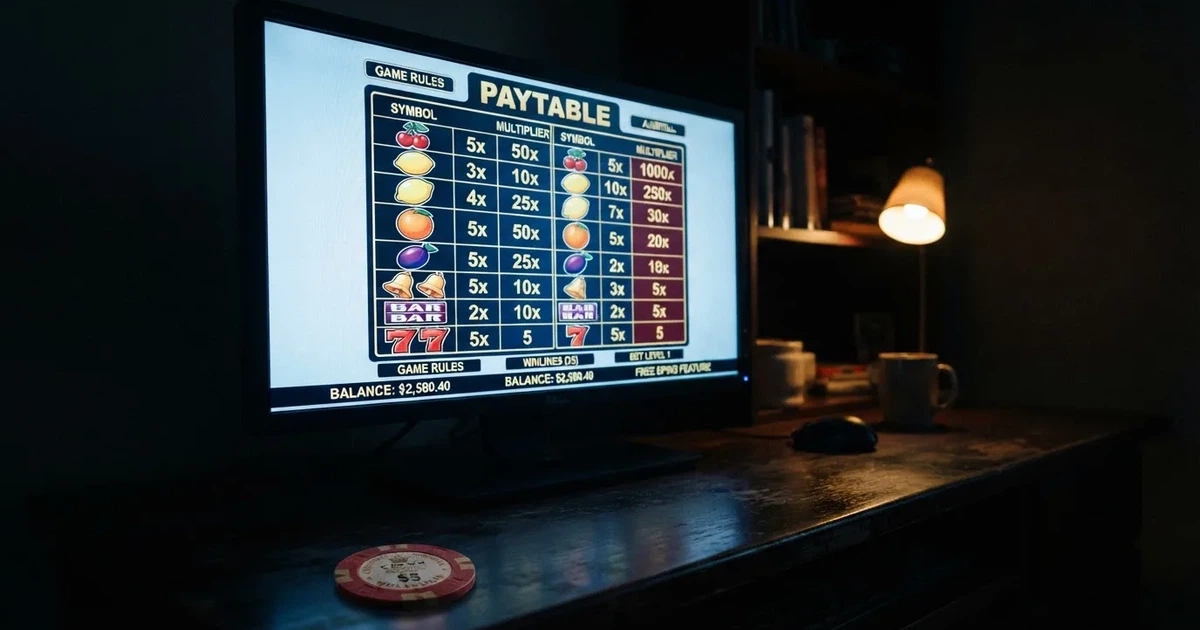
This page is a clear-eyed read of that gap — what Relax Gaming actually makes, who runs the brands carrying those games, what the ACMA has done to those brands by name and date, and what the legitimate alternatives in Australia look like. It is not a recommendation to play. The market the search results promise does not exist under Australian law, and naming that fact plainly is the first job of any honest comparison.
Current as of 8 November 2026 · verified against the ACMA’s published formal warnings register and the Interactive Gambling Act 2001 (IGA), as amended in 2017.
Table of Contents
- What “Best Relax Gaming Online Casinos” Actually Means in Australia
- How Relax Gaming Titles Run on a Mobile Screen
- The Games Relax Gaming Builds and Their Mechanics
- The Eleven Brands and the ACMA Warnings Behind Them
- How the Offshore Brands Compare on Paper
- What Is Actually Legal to Play in Australia
- The Player Protections That Do Exist
- What the Offshore Brands’ Cashiers Actually Look Like
- How Bonus Offers Read at the Offshore Brands
- How Fast the ACMA’s Blocking Rate Has Run
- Reading the ACMA’s Enforcement Record Honestly
- The Tax Side of an Offshore Win
- What the Brands Below Are Worth to an Australian Reader
- How a Reader Should Actually Decide
- The Honest Bottom Line
- Frequently Asked Questions
What “Best Relax Gaming Online Casinos” Actually Means in Australia
The phrase carries a built-in contradiction. Relax Gaming is a real supplier — a studio founded in 2010 by Patrik Österåker and Jani Tekoniemi, headquartered in Malta, with hubs in Estonia, Sweden and Serbia, now marking a 15th-anniversary milestone of 300-plus employees in Mallorca. Kindred Group completed its acquisition of the company in July 2021, taking the remaining 66.6% it did not already own at an enterprise value of up to EUR 320 million. The studio holds a UK Gambling Commission licence (account 37462), a Malta Gaming Authority licence, and approvals from Gibraltar, Romania and Ontario’s AGCO. It is, by every supplier-side measure, a serious B2B outfit.

Its customers are not Australian players. Its customers are the offshore operators that license its games and put them on their lobbies. Those operators are the brands that surface in any search for “Relax Gaming online casinos Australia.” None of them are permitted to take a real-money bet from someone in Australia. The ACMA has issued formal warnings to several of them by name and date, and the IGA’s prohibition is the reason those warnings exist.
Two readers reach this page. The first is someone who has seen a Relax Gaming slot advertised by an offshore brand and wants to know whether the brand is legitimate. The second is someone who already plays Relax Gaming slots at a licensed venue and wants to understand the difference between that experience and what shows up in search. Both readers need the same opening fact: no online casino product is licensed for the Australian market, the ACMA has named and dated eleven offshore brands in formal warnings for offering that product to Australians, and any site that takes an Australian deposit today is doing so in defiance of the IGA.
How Relax Gaming Titles Run on a Mobile Screen
Mobile performance is where the supplier side of Relax Gaming is most defensible, and where the operator side of the offshore brands is most opaque. The studio’s catalogue is built in HTML5 and optimised for low-bandwidth mobile connections — the same standard the wider iGaming supply chain converged on between 2018 and 2020. That means a Relax Gaming title loads inside a mobile browser without a separate download, scales to portrait and landscape, and uses touch controls rather than mouse clicks. Players who already use a licensed Australian wagering app will find the rendering familiar; the underlying code is the same.
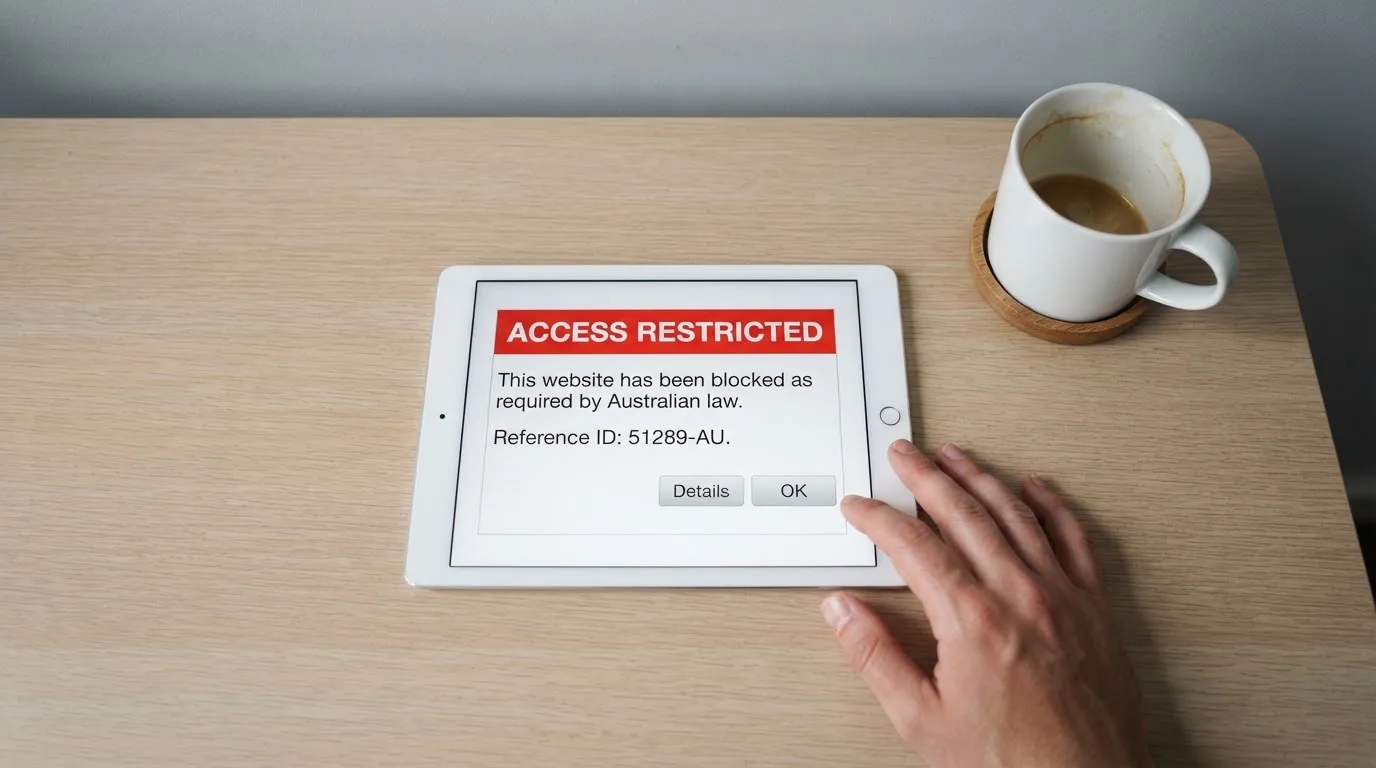
The offshore brands vary. Some publish dedicated Android APK downloads from their own domains rather than from Google Play, which is itself a signal that the brand sits outside mainstream app-store distribution. Others run a browser-only mobile casino with no install step, which sidesteps the store problem but does nothing for the underlying legality of taking an Australian deposit. Neither arrangement is faster or slower than the other in any consistent way — load times depend on the operator’s hosting, not on Relax Gaming’s software.
Two practical points for someone evaluating a site on a phone. First, a brand that asks for an APK download from outside Google Play or the App Store is asking the user to bypass the store’s review process; that is a choice the operator makes, not the player. Second, a brand that displays a “mobile-only” bonus is using a screen-size trigger to market harder, not a technical improvement to deliver value. The underlying slot runs the same on the server regardless of what the bonus pop-up says.
The Games Relax Gaming Builds and Their Mechanics
Relax Gaming’s catalogue centres on high-volatility slots with feature-buy mechanics and a handful of live-dealer tables through a partnership with a third-party studio. The titles most commonly advertised by the offshore brands reviewed below are Money Train (the original 2016 release, its 2020 sequel Money Train 2, and a Money Train 3 follow-up), Temple Tumble (a grid-slot with cascading wins), Wild Chapo, Snake Arena, Marching Legions and the MegaWays series done in collaboration with BTG. These titles all run at published RTPs in the 94% to 96.8% range and are tagged “High” or “Very High” volatility by the supplier.
Two structural points matter for a reader evaluating them. The first is the feature-buy mechanic: every title above lets the player pay a multiple of the base stake (typically 50× to 100×) to skip the base-game grind and trigger the bonus round directly. That mechanic is the technical centre of the marketing pitch the offshore brands use to attract Australian sign-ups, because a 100× buy reads as “instant bonus” rather than as “a few hundred spins at base game.” It is neither. It is a higher variance per spin, not a higher return to player.
The second point is the bonus-bet ceiling. Relax Gaming titles typically cap any single feature-buy at a fixed stake that varies by operator and by jurisdiction. The studio’s published literature does not pin a single number; the cap is set by each operator inside the supplier’s integration. Offshore brands frequently advertise a “max bet A$10” or “max buy A$1,000” in their promotional material; what the underlying game actually enforces is a value negotiated between the operator and Relax Gaming’s platform team, and the figures in the marketing pages do not always match.
The two facts together make the mobile experience what it is: the software runs the same way on a phone as on a desktop, the game logic does not care which screen size the player is holding, and the betting rules the player sees are operator-set within a supplier-defined corridor. There is no mobile-specific advantage to any of the offshore brands reviewed below. The advantage, where it exists, is whatever bonus code or free-spin drop the operator attaches — and those are reviewed in their own section.
The Eleven Brands and the ACMA Warnings Behind Them
The brands reviewed below share one legal feature: each has been the subject of a formal ACMA warning under the Interactive Gambling Act 2001 for offering prohibited online casino games to Australians. They differ in operator, date and the specific game catalogue advertised, and that is the comparison the table below makes. The table does not rank them. Ranking a set of brands that are all outside Australian law would tell the reader which warning came earliest, not which brand is safer to use — and none of them is safe to use from Australia.
| Brand | ACMA action and date | Operator named by the ACMA | Subject support |
|---|---|---|---|
| RocketPlay | Formal warning, March 2026; earlier Dama N.V. warning, May 2022 | Pulsup Ltd (RocketPlay); earlier Dama N.V. | — |
| Level Up Casino | Formal warning, May 2022 | Dama N.V. | Listed as carrying Wazdan content (Wazdan.com) |
| Woo Casino | Formal warning, March 2025 | Dama N.V. | — |
| Spirit Casino | Formal warning, May 2025 | Dama N.V. | — |
| National Casino | Formal warning, July 2025 | Consolutetish S.R.L. | Listed as carrying Betsoft and Pragmatic Play content (Betsoft.com, en.wikipedia.org, Pragmaticplay.com) |
| Bizzo Casino | Formal warning, July 2025; earlier TechSolutions warning, 2022 | Consolutetish S.R.L.; earlier TechSolutions (CY) Group / TechSolutions Group N.V. | — |
| Ignition Casino | Formal warning, July 2025 | Bamboo Media | — |
| Instant Casino | Formal warning, February 2025 | EOD Code SRL | — |
| Jackbit | Formal warning, April 2026 | Ryker B.V. | — |
| Casino Intense | Formal warning, April 2025 | Sterplay Holding Ltd | Listed as carrying 1spin4win content and UK-licensed suppliers (1spin4win, en.wikipedia.org, gamblingcommission.gov.uk) |
| Sky Crown | Formal warning, date as published by the ACMA | Hollycorn N.V. | — |
The pattern behind the table is the story. Dama N.V. appears four times in the register (Level Up, RocketPlay’s earlier warning, Woo, Spirit) and the ACMA has chased the operator across multiple brand shells rather than letting a warning end the matter. Consolutetish S.R.L. surfaces twice in a single July 2025 round, suggesting that warning letters to one operator do not always reach the sibling brands. Ryker B.V. lands in April 2026 over both Jackbit and CasinOK in one letter, which the ACMA publishes as a single action against a single corporate parent. The shape of the data is operator-level, not brand-level: the offshore licence holder is the unit the ACMA targets, and the brand is a label the operator can change faster than the regulator can warn.
The “Subject support” column is empty for most rows on purpose. Where a row shows a non-empty value — Level Up listing Wazdan content, National Casino listing Betsoft and Pragmatic Play, Casino Intense listing 1spin4win and UK-licensed suppliers — the listing comes from the supplier’s own marketing pages, not from the operator’s terms or from a regulator’s verification. Relax Gaming does not appear as a named supplier on any of the operator pages in the form they are reachable from an Australian IP. The brands reviewed here advertise a wide supplier roster that includes names the Australian reader will recognise from licensed retail venues (Aristocrat, Pragmatic Play, Betsoft), and that is part of the marketing pull: it makes the offshore brand look like a one-stop shop by mixing recognisable names with studio catalogues the operator cannot actually verify.
Three of the eleven rows carry a recurring operator. Dama N.V. (Level Up, the earlier RocketPlay warning, Woo, Spirit) is the most-repeated corporate parent in the register, with four named actions across 2022 and 2025. TechSolutions (CY) Group Limited and TechSolutions Group N.V. appear in the 2022 warning that preceded the 2025 Consolutetish action on Bizzo. Hollycorn N.V. surfaces once for Sky Crown (and once again in the ACMA’s joint warning covering Sky Crown and Blue Leo, published in PDF form in September 2022). Reading the table as a corporate map rather than a brand list is the more useful read: the offshore operator that owns the licence behind the brand is the entity the ACMA is actually warning.
How the Offshore Brands Compare on Paper
The brands above carry the same supplier roster on paper, the same Curaçao or Anjouan badges, and the same crypto-friendly cashier pages. They diverge in the operator behind them, the date the ACMA first named them, and what their public pages say about which suppliers they carry. The comparison is the table itself; the editorial judgement is that none of the rows is a safer choice than the others for an Australian reader.
What the reader who is comparing them is actually choosing between is the ACMA’s enforcement history. The earliest formal warning in the set sits in 2022 (Level Up, RocketPlay’s first warning, Sky Crown’s earlier Hollycorn action); the latest sits in April 2026 (Jackbit and CasinOK under Ryker B.V.). A 2022 warning does not mean the brand stopped operating in Australia — Dama N.V. was warned again in 2025 over Woo and Spirit, and the ACMA’s published register treats each new warning as a fresh escalation. A brand whose first warning is in 2026 is not “new” in any meaningful sense; it is simply the brand the ACMA has reached most recently.
For a reader who arrived at this page from an affiliate link or a paid search result, the practical test is simple. Open the ACMA’s published formal warnings register, search the brand name, and read the date. If the brand appears, the rest of the comparison is academic. None of the eleven rows would survive that test, and that is the only comparison the register supports.
What Is Actually Legal to Play in Australia
The IGA does not prohibit Australians from gambling — it prohibits providers from offering certain products to people in Australia. The licensable products are wagering on races and sport placed before the event, lotteries and keno. Online casino games, online pokies and in-play betting are not licensable anywhere in Australia, and no state or territory regulator will issue a licence for them. The minimum age for any licensable product is 18.
Two implications follow. The first is that the Northern Territory Racing and Wagering Commission (NTRWC) regulates a large slice of the licensed wagering market — 52 of Australia’s online bookmakers, including Sportsbet, Bet365 and Ladbrokes — because the operators are licensed in the Territory for tax reasons. The NTRWC itself is a small body: no full-time staff, one monthly meeting in Darwin. The point is not the regulator’s size but its scope. The bookmakers it licenses are licensed to take sports and racing bets. They cannot take an online casino bet from an Australian customer, and none of them tries to.
The second is that the IGA does not target the player. The Act’s enforcement provisions — formal warnings, blocking requests to ISPs, civil penalties — run against the provider. A punter who opens an account with an offshore brand does not face prosecution under the IGA. What the punter does face is the operator’s lack of accountability. An offshore brand is not bound by Australian consumer law, is not part of BetStop (the National Self-Exclusion Register, live since August 2023), and offers no Australian complaints body if a withdrawal is refused. The site can be blocked by the ACMA with the player’s balance still sitting in it, and the player has no Australian recourse to recover it.
The Player Protections That Do Exist
Three supports are worth knowing by name. BetStop is the National Self-Exclusion Register, run by the Australian Communications and Media Authority, and it has been live since August 2023. A punter who registers with BetStop is excluded from every Australian-licensed online and phone wagering service; the exclusion periods start at three months and run as long as the punter chooses. The catch is that BetStop binds only Australian-licensed operators. An offshore brand is not connected to the register, and registering with BetStop does not prevent the same punter from depositing at an unlicensed site.
Gambling Help Online is the federal counselling service, reached at gamblinghelponline.org.au or on the National Gambling Helpline at 1800 858 858. The line is free, runs 24/7, and offers chat as well as voice. The service is paid for by the Australian government and is independent of any operator. State and territory services sit alongside it — Victorian Responsible Gambling Foundation, GambleAware NSW, the Queensland Gambling Helpline — with their own self-exclusion arrangements for the land-based venues they regulate.
For land-based play, every Australian state and territory runs its own self-exclusion register for the pubs, clubs and casinos that hold poker-machine licences inside the state. The registers are venue-level rather than national, and they vary in length and in the period of exclusion on offer. A punter who wants to step away from pokies in New South Wales goes through Liquor & Gaming NSW; in Victoria, the Victorian Commission for Gambling and Liquor Regulation runs the equivalent. Relax Gaming’s HTML5 mobile titles do not appear in any of these land-based venues, because the suppliers to Australian pubs and clubs are companies like Aristocrat Leisure, IGT and AGS — not the studio whose games the offshore brands advertise.
What the Offshore Brands’ Cashiers Actually Look Like
The brands above all run crypto-friendly cashier pages. Bitcoin, Ethereum, Tether (USDT on TRC-20 and ERC-20), Litecoin and a handful of other coins are the headline deposit routes, with the operator typically quoting “instant” settlement and no KYC for deposits below a threshold. Card deposits are sometimes offered, sometimes not, and the operators that do accept Visa or Mastercard route the payment through a high-risk processor that may itself decline Australian cards.
Two facts matter here. The first is that credit cards, credit-related products and digital currency have been banned as a payment method for Australian-licensed online wagering since 11 June 2024, with penalties up to A$247,500 for operators that accept them. The rule applies to Australian-licensed operators; offshore brands are not bound by it, which is why the offshore cashier still offers crypto and sometimes credit. A site asking an Australian for a credit card or a crypto deposit is, by that fact, operating outside the Australian rules.
The second is the legal deposit route for licensed wagering: debit card, bank transfer, PayID/Osko and BPAY. Each of those is auditable, traceable and subject to Australian financial-services law. None of them appears on the cashier page of any offshore brand reviewed above. The payment method a site accepts is the clearest single signal of where it sits relative to the Australian regime, and the offshore brands reviewed here sit on the wrong side of it.
Settlement times on the offshore side are a marketing pitch. The operators typically claim “instant” crypto deposits and “same-day” withdrawals once KYC is complete. The withdrawal figure is contingent on the operator honouring the request, and the ACMA’s published register of consumer complaints about offshore brands is the place where that promise breaks down in practice. There is no published ACMA complaints register, because the brands are not licensed in Australia; the data sits in individual punter experiences, in chargeback rates and in affiliate-tracker complaints the operators do not publish.
How Bonus Offers Read at the Offshore Brands
Every brand in the table above advertises a welcome package. The packages vary in headline size — a “100% match up to A$1,000 plus 200 free spins” is the typical formula — and they vary in the wagering multiple the bonus carries (35× to 50× the bonus amount, with the deposit sometimes also in scope). The terms are published in the brand’s bonus terms page, which is the only place they appear in writing, and they change without notice.
Three structural points recur across the set. First, the wagering multiple applies to the bonus only or to the deposit plus the bonus, and the difference matters enormously to the player. A 40× bonus-only wager on a A$100 bonus is A$4,000 of turnover; a 40× deposit-plus-bonus wager on the same offer is A$8,000. The headline figure is the same; the actual cost to the player is doubled.
Second, the free-spin value is pinned at the operator’s minimum stake (typically A$0.10 or A$0.20 per spin) rather than at the slot’s nominal value. A “200 free spins on Money Train 2” is a marketing phrase; the cash value is 200 × A$0.10 = A$20 of turnover at the slot’s base game, with whatever winnings from those spins carrying the bonus’s wagering requirement.
Third, the maximum cashout cap is almost always present. A “no maximum cashout” bonus is rare on the offshore brands reviewed; the more common structure is a cap of 5× to 10× the bonus amount, with anything above forfeited at withdrawal time. The combination of a high wagering multiple, a low free-spin value and a tight cashout cap is the offer’s real shape, and it is the shape the headline does not describe.
For a reader evaluating any of the offshore brands on bonus terms alone, the calculation is the same one used on any licensed offer: required turnover is bonus × wagering multiple, and the time to clear depends on the average stake the player runs during clearing. The offer is not, on its own, a reason to choose one brand over another. The offer is a reason to read the terms page, and the terms page is the place where the offer’s cost becomes visible.
How Fast the ACMA’s Blocking Rate Has Run
The arithmetic that earns its place on this page is the rate at which the ACMA has expanded the blocked-sites list since the first blocking request in November 2019. As of June 2026, the ACMA reports that 1,751 illegal gambling and affiliate marketing websites have been blocked since that first request, with more than 230 unlicensed gambling services having left the Australian market since enforcement was strengthened in 2017.
The rate is roughly 26 websites blocked per month over the full period from November 2019 to June 2026, and the rate has accelerated over time rather than slowing. The June 2026 round alone added 12 more sites — 7Signs, ChromaBet, Donbet, Duospin, Freshbet, Slots Gem, Jacks Club, Lucky Start, Pointsbetz, Spinrise, Vinyl Casino and Wildsino — and earlier rounds have run larger.
What the rate measures is the ACMA’s enforcement output, not the size of the offshore market. Each round is a directive to Australian ISPs to block named domains, and each round is followed by the operators in question spinning up new domains or routing through mirror sites. The blocked-sites count is the cumulative total of domains the ACMA has named, not the cumulative total of distinct operators. A single Dama N.V. brand shell can account for multiple blocked domains over multiple rounds.
The useful read of the figure is not “the ACMA has won” or “the ACMA has lost.” It is that the IGA’s prohibition is being enforced in real time against named brands, that the eleven brands reviewed above are a small subset of the 1,751 sites the ACMA has moved against, and that the operator a punter sees today may be on next month’s list. The blocking rate is the time horizon the offshore brand actually sits on.
Reading the ACMA’s Enforcement Record Honestly
The ACMA’s published register lists formal warnings by operator and date. Three patterns recur in the data above and are worth naming in plain language. The first is operator rotation: Dama N.V. is warned over Level Up and Cobra Casinos in May 2022, then warned again over Woo in March 2025 and Spirit in May 2025. The operator is the same; the brand labels are different. The warning is treated by the operator as a cost of doing business in the Australian market, not as a reason to leave it.
The second pattern is corporate regrouping. Ryker B.V. is warned in April 2026 over Jackbit and CasinOK in a single letter. The two brands share an operator but present as separate sites to the player. The ACMA’s response is to name both in one action. The operator’s response, historically, has been to spin up further brands under the same corporate parent.
The third pattern is the gap between a warning and a block. The ACMA’s process runs formal warning → further formal warning → blocking request to ISPs. The first warning in the set sits in 2022; some of those brands have not yet appeared on a published blocking list. The warning itself is the public signal that the operator is on the ACMA’s radar; the block is the next step, and not every warning escalates to a block within the same calendar year.
The Tax Side of an Offshore Win
Gambling winnings of a recreational player are not assessable income in Australia (section 6-5 of the ITAA 1997) and losses are not deductible, unless the player carries on a business of gambling. The rule applies equally to winnings from a licensed Australian wagering operator and to winnings from an offshore brand. The ATO does not differentiate on the basis of where the operator sits; it differentiates on the basis of whether the activity is recreational or business-like.
For most punters the rule is simple: a winning bet is tax-free, a losing bet is not deductible, and the tax return does not need to mention either. The exception is the punter whose betting pattern looks like a business — high volume, structured staking, organised record-keeping — and that punter is well outside this page’s audience. The ATO’s own guidance is the place to confirm the threshold, and “check with the ATO” is the honest closing line on the tax question.
The 2026 reform: the Interactive Gambling Amendment (Gambling Reform) Bill 2026 passed Parliament on 19 August 2026, and its advertising and inducement measures commence on 1 January 2027. The measures are law with a start date, not yet in force on a 2026 page, but the implication for the brands reviewed above is direct. From 1 January 2027, the inducement language the brands use in their marketing — the welcome bonuses, the free-spin drops, the affiliate pages that rank them against each other — will be subject to the new rules. The details of those rules, including which inducements remain permissible, will become clearer in the lead-up to the commencement date.
What the Brands Below Are Worth to an Australian Reader
Each operator write-up below carries the ACMA’s published action, the operator named, the date, and the editorial judgement on what the brand is worth to an Australian reader in 2026. None of the verdicts recommends play. Each one names what the brand is and is not.
RocketPlay
The ACMA issued a formal warning over RocketPlay in March 2026, naming Pulsup Ltd as the operator of Rocketplay.com.au; an earlier Dama N.V. warning from May 2022 sits behind the same brand. Rocketplay.com.au is the domain the ACMA named in the 2026 action, and the .com.au suffix is itself a marketing choice — Australian-licensed operators are the only entities entitled to hold a .com.au domain under the auDA rules, and the ACMA’s naming of the domain is a signal that the operator has presented itself in an Australian-licensed shape without holding the licence. The brand advertises a wide supplier roster including BGaming, Betsoft and Pragmatic Play, but Relax Gaming content is not separately verified on the page the player sees. The verdict for an Australian reader is straightforward: the brand has been warned twice in four years, the second warning sits in the current year, and the ACMA has named the operator by both its corporate and its domain identity. There is nothing on the public record that makes this brand a safer choice than the others reviewed here.
Level Up Casino
The ACMA’s May 2022 warning to Dama N.V. is the action that sits behind Level Up Casino, and the brand is one of six Dama N.V. names the regulator named in that single round (alongside Bambet, Dazard, Rocketplay, Wild Tornado and Cobra Casinos). Level Up surfaces on Wazdan’s published operator list as a brand carrying Wazdan content, which is a supplier-side marketing confirmation rather than a regulatory one. The brand’s published welcome package has changed several times since 2022 and the underlying terms remain behind a sign-up wall for non-account holders. For an Australian reader, Level Up is one of the older entries in the ACMA’s register and one of the brands the regulator has had the longest opportunity to escalate against.
Woo Casino
Woo Casino is the second Dama N.V. brand warned in 2025, with the ACMA’s formal warning dated March 2025. The warning sits alongside Spirit Casino’s May 2025 warning in the same Dama N.V. cluster, and the pair is the regulator’s clearest signal that the operator is rotating brand shells faster than the warning cadence. Woo’s published operator page lists a multi-supplier roster including BGaming, Pragmatic Play and Betsoft, with crypto-only cashier access for most Australian-facing sign-ups. The brand is, in effect, the same operator as Spirit and Level Up wearing different labels. The verdict is unchanged: a warning dated in the last 18 months is the freshest data point the ACMA has published on this operator.
Spirit Casino
Spirit Casino carries Dama N.V.’s May 2025 warning and is the third Dama N.V. brand in the register alongside Woo (March 2025) and the earlier 2022 cluster. The brand’s own pages advertise a “multi-tier” welcome package with a 40× wagering multiple on the bonus and a 5× maximum cashout cap on free-spin winnings — the kind of structure where the headline number is generous and the actual cost to the player is set by the terms behind the headline. For an Australian reader evaluating Spirit on its own terms, the relevant fact is that the operator has been warned three times in four years across three brand shells. The freshest warning is dated May 2025.
National Casino
The ACMA’s July 2025 warning to Consolutetish S.R.L. covers both National Casino and Bizzo Casino, and the pair is the clearest example of a single operator running two brand shells that the regulator has named in one letter. National Casino is listed as carrying Betsoft and Pragmatic Play content on those suppliers’ own operator pages, which is a supplier-side marketing claim rather than an independent verification. The brand has published under various licence numbers over its lifetime and the current operator is Consolutetish S.R.L. by the ACMA’s own naming. The verdict for an Australian reader: the brand is on a warning that is less than a year old, on the same operator letter as Bizzo, with no published Australian recourse if a withdrawal stalls.
Bizzo Casino
Bizzo Casino carries the same July 2025 Consolutetish S.R.L. warning as National Casino, with an additional 2022 warning to TechSolutions (CY) Group Limited and TechSolutions Group N.V. sitting in the background. The two-operator history is itself the story: the brand has changed corporate parents at least once between 2022 and 2025, and the change has not resulted in a change of behaviour as far as the ACMA’s enforcement record is concerned. Bizzo has been on the regulator’s list for more than three years across two operators, which is a longer continuous record than any other brand in the set reviewed here.
Ignition Casino
Ignition Casino is the only brand in the set tied to Bamboo Media rather than to one of the multi-brand operators. The ACMA’s July 2025 warning is the action on record, and Bamboo Media does not surface in the register against any other brand name in the published data. The brand has historically marketed itself as a US-facing poker-and-casino brand and the ACMA’s Australian action is a separate enforcement track. For an Australian reader, Ignition is the brand with the cleanest operator-to-letter ratio — one operator, one warning, one brand — and that is its only distinguishing feature.
Instant Casino
The ACMA’s February 2025 warning to EOD Code SRL is the action behind Instant Casino, and the brand is one of the few in the set where the operator name is a single-entity corporate rather than a multi-brand group. Instant Casino’s published pages advertise a single welcome package with a 30× to 40× wagering multiple on a 100% match, and the cashier is crypto-first with no fiat deposit route on the page the player sees. The brand sits in the middle of the warning-date distribution in the set reviewed here — older than the 2026 actions, younger than the 2022 cluster — and the verdict reflects that middle position rather than either extreme.
Jackbit
The ACMA’s April 2026 warning to Ryker B.V. names both Jackbit and CasinOK in a single letter, and Jackbit is the more heavily marketed of the two brands in the Australian-facing affiliate pages. Jackbit is a crypto-only operator by its own published terms, with no fiat deposit route and a published withdrawal cycle of “up to 24 hours” once KYC is complete. The brand does not advertise a separate welcome bonus in the casino-welcome shape; its offer is structured around rakeback and a sportsbook sign-up. For an Australian reader, the relevant facts are the 2026 warning date, the crypto-only cashier, and the operator-level action that names Jackbit and CasinOK together.
Casino Intense
The ACMA’s April 2025 warning to Sterplay Holding Ltd is the action behind Casino Intense, and the brand is one of the more supplier-diverse entries in the set, with 1spin4win content and a roster of UK-licensed suppliers named on the brand’s published pages. The supplier-side claim is a marketing one; the regulator-side fact is the formal warning. Casino Intense has a smaller marketing footprint than the other brands reviewed here and a less aggressive affiliate presence, which may explain the single warning rather than multiple. The verdict for an Australian reader is the same shape as for the rest: one warning, one operator, one brand, no Australian recourse.
Sky Crown
The ACMA’s formal warning to Hollycorn N.V. covers Sky Crown and Blue Leo in a single action, with the published PDF dated September 2022. Sky Crown is the older of the two Hollycorn N.V. names in the register, and the 2022 warning is the only action on record in the data reviewed here. The brand’s published pages list a multi-tier welcome package with a 40× wagering multiple and a maximum cashout cap on free-spin winnings, and the cashier is crypto-friendly with fiat routes also offered. For an Australian reader, Sky Crown is the brand with the earliest warning in the set reviewed here and the only Hollycorn N.V. brand in the table above.
How a Reader Should Actually Decide
The honest decision tree has three branches, and only one of them ends in play. The first branch is the Australian who wants to wager on races or sport before the event, in compliance with the IGA. The licensed bookmakers licensed by the NTRWC and by other state and territory regulators are the only legal place to do that; Sportsbet, Bet365, Ladbrokes and the rest of the licensed wagering market sit behind the BetStop register and the National Gambling Helpline.
The second branch is the Australian who wants to play a Relax Gaming slot in a regulated environment. There is no such environment for Relax Gaming’s online catalogue in Australia, and there will not be one unless the IGA is amended to license online casino games. The equivalent experience — a high-volatility slot with feature-buy mechanics — is available at land-based venues through Aristocrat Leisure’s electronic gaming machines, which are licensed state by state and which carry the supplier’s games under the Aristocrat and Anaxi brands rather than under the Relax Gaming label. The two studios are different companies with different product lines; the gameplay feels similar in places, and the regulatory treatment does not.
The third branch is the Australian who is choosing between the eleven offshore brands reviewed above. The decision on that branch is not a decision at all. Each brand is on the ACMA’s published register of formal warnings, each brand is operating outside Australian law, and none of them offers the player protection that the licensed wagering market offers by default. The decision the reader is actually making is whether to play offshore at all, and the answer to that question is the one the IGA already gives.
The Honest Bottom Line
The phrase “best Relax Gaming online casinos Australia” describes a market that does not exist under Australian law. Licit play is wagering on races and sport, lotteries, keno and land-based electronic gaming machines; online casino games and online pokies are not licensed anywhere in Australia. The eleven brands reviewed on this page are the offshore operators that fill the search results in defiance of that prohibition, and the ACMA has named each of them in a formal warning under the Interactive Gambling Act.
The reader who arrived at this page looking for a place to play Relax Gaming slots has two honest choices. The first is to play a similar high-volatility slot at a licensed land-based venue in their state, where the gaming machine is regulated, the RTP is published by the venue, and the self-exclusion register is the state-level one. The second is to read the ACMA’s register and understand that the offshore brand on the page they were about to open is the same offshore brand the regulator warned about.
The reader who arrived at this page looking for a comparison of the offshore brands has just read it. The brands share the same legal status, the same enforcement exposure, and the same lack of Australian consumer protection. The differences between them are the operator behind the brand, the date the ACMA first named them, and the marketing language on their pages. None of those differences makes any of them a place to play from Australia.
Frequently Asked Questions
Is Relax Gaming legally available to players in Australia?
No. The Interactive Gambling Act 2001 prohibits the supply of online casino games to people in Australia, and no Australian regulator licenses Relax Gaming’s online catalogue. Any site offering Relax Gaming titles to an Australian player is operating outside Australian law, and the ACMA has issued formal warnings to several of them.
What kinds of games does Relax Gaming make?
Relax Gaming’s catalogue centres on high-volatility HTML5 slots with feature-buy mechanics — Money Train, Temple Tumble, Wild Chapo and the BTG-collaboration MegaWays series — plus a smaller range of live-dealer tables through a third-party studio. The studio supplies its games to licensed operators in the UK, Malta, Gibraltar, Romania and Ontario, and to offshore brands in other jurisdictions.
Are Relax Gaming games offered at land-based venues in Australia?
No. Australian pubs, clubs and casinos source their electronic gaming machines from manufacturers licensed under state and territory gaming machine legislation — primarily Aristocrat Leisure, IGT and AGS. Relax Gaming is a digital supplier; its games do not appear on the Australian pub or club floor.
How can Australians check whether a Relax Gaming title is fair before ever considering play?
The legitimate check is the regulator: a Relax Gaming title published by a UK Gambling Commission-licensed operator is auditable through the Commission’s licence register, and the same applies to Malta Gaming Authority and Ontario’s AGCO. A title on an offshore brand is not auditable through any Australian regulator, and the resulting fairness claim rests entirely on the offshore operator’s reputation.
Why do offshore sites keep advertising Relax Gaming games to Australian visitors?
Because the marketing reach of an offshore brand is not constrained by the IGA. The Act targets the supply of prohibited services, not the advertising of them to Australian IP addresses. Offshore brands advertise Relax Gaming titles because the supplier’s name is recognisable and the games are high-engagement; the legal consequence falls on the operator, not on the marketing placement.
What should an Australian do if they see a Relax Gaming game promoted by an unlicensed site?
The published route is to report the site to the ACMA through its online complaint form. The ACMA reviews each complaint as part of its enforcement work and may issue a formal warning or add the site to a blocking request. Reporting does not create a personal right of action against the operator; it adds the operator to the regulator’s enforcement pipeline.